The Ultimate Guide to Freelance Patternmaking (Pricing, Clients & Contracts)

So you fell in love with patternmaking and are ready to make a job of it now, offering your service to others. You probably have googled “How to get started freelancing”, but maybe you still feel stuck? Don’t fret. Today, we will go over all the ins and outs of getting started as a freelancer and some of the nitty-gritty details so you can go into the freelance market feeling confident.
Note: In today’s blog, we will be discussing taxes, legal contracts, and money. Please note this is not legal advice, and should not be taken as such. We are simply sharing what has worked for us and what we have learned over the years freelancing. Please always consult a lawyer and/or tax professional when making decisions for your business.
Finding Clients
Step one is finding clients. This is always the most challenging first step. Especially if you don’t have a large online social network yet. The best clients often come through recommendations of others, or word of mouth, so start by putting yourself out there…
Social Media
Update your Instagram bio to include “professional patternmaker/grader”. You can also create a highlight on your page with a story that mentions the services you offer.
Add “freelance patternmaking/grading” to your LinkedIn, and Facebook. The more places you are visible, the more likely people will come across you and reach out to inquire.
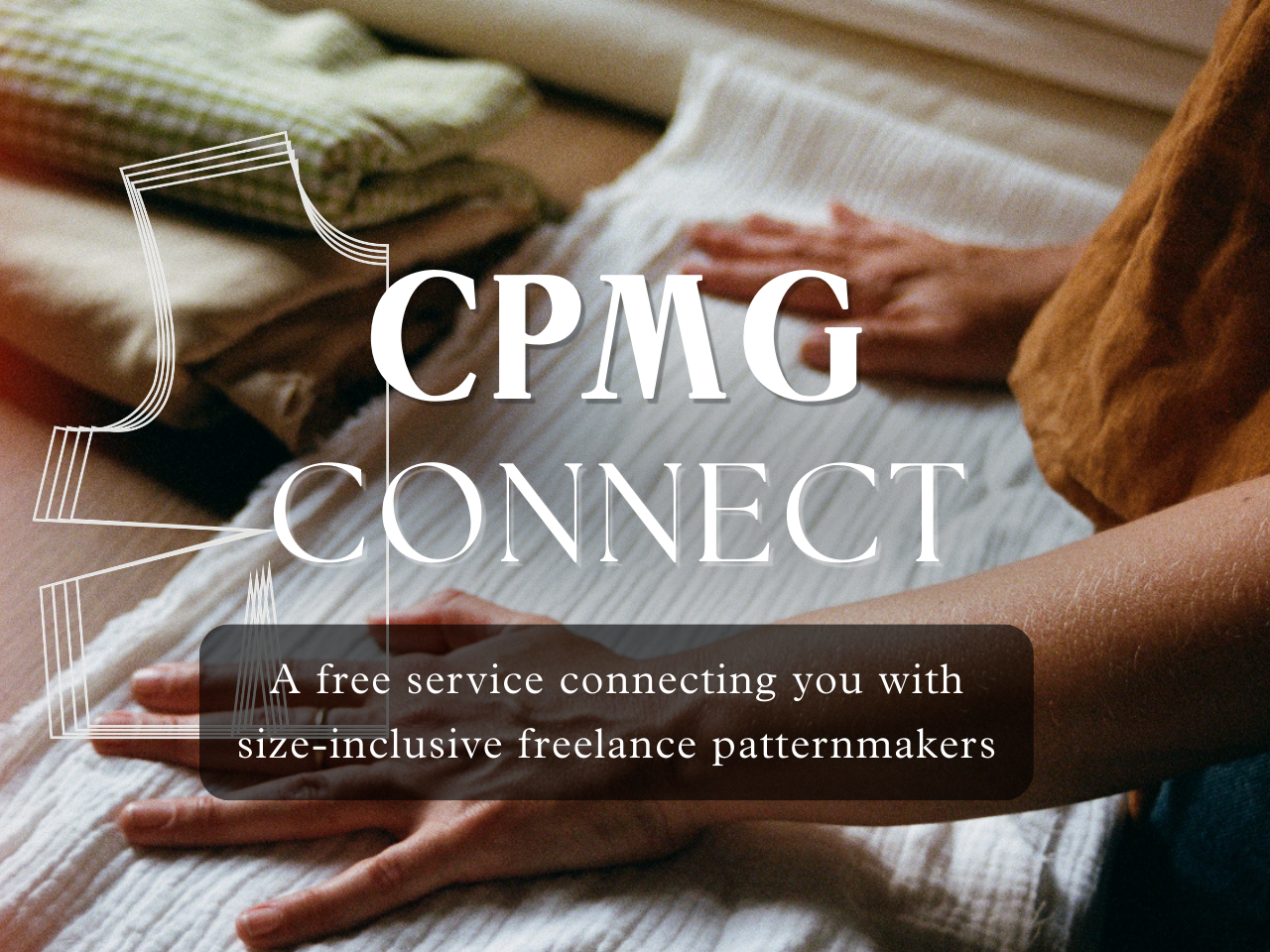
CPMG Connect
We created a free service we provide for CPMG Alums, where we connect you with people looking to hire professional patternmakers/graders. We send out emails with new job opportunities every month. So keep an eye out for emails with potential job offers.
Creating a Contract
Once you secure a client, it's a good idea to create a contract. A contract is a written document that includes contact information for both you and your client, payment terms, service prices, etc. Your contract is unique to you and should include anything that you want your client to know about how it will look when you work together.
You can create this yourself or purchase a contract template and adjust it to your needs. We like this one from The Business Studio or this one from Coaches and Company
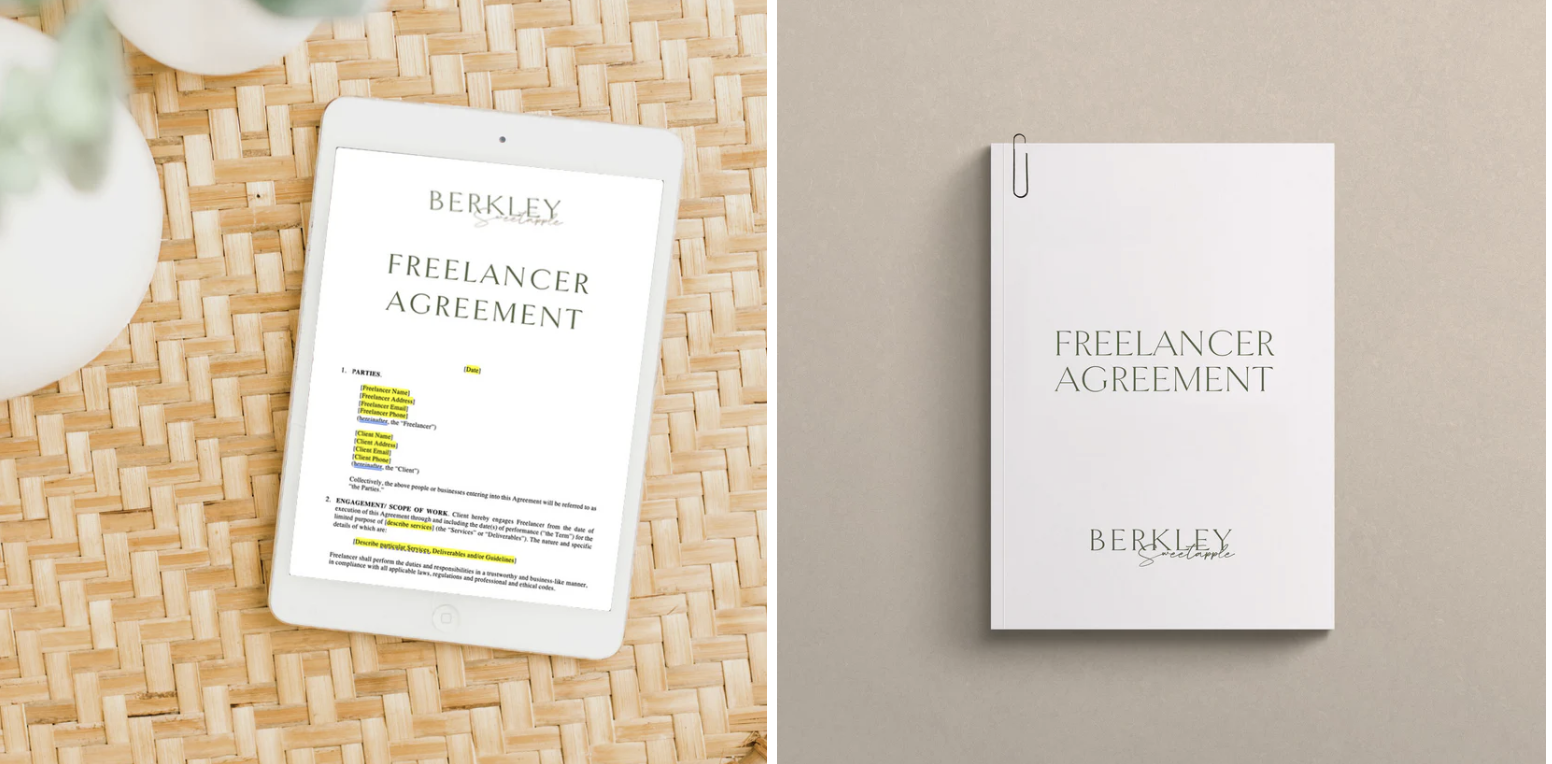
Examples of freelance contract from Thebusinessstudio.com
Payment Terms
It is up to you if you want to charge your client per project or at an hourly rate. Patternmaking services typically start at $50/hour.
Be sure to clarify how you would like to be paid, and when you expect to be paid.
Knowing how to price your services can be daunting when you are first starting out, which is why CPMG Co-teacher, Jessica Capalbo created a free resource for you. Inside, she shares her insider knowledge on how to price freelance services for Patternmaking!
Tracking Hours
Whether you opt to charge per hour, or by project - it is a good idea to track your hours. This will help you get a better sense of how long projects take and help you to quote more accurately as you go along in your freelance journey.
You can opt to use an app (like Toggl), online service (Quickbooks), digital spreadsheet, or track manually with pen and paper.
From personal experience, I have found that keeping a journal and noting down hours with pen and paper has been the easiest and most effective method. I have tried multiple apps, and often they are clunky and offer too many features. I make a simple spreadsheet in a journal with columns labeled Date, Description of Work, Time In, Time Out, and Total Time. If I am working on multiple projects at once, I track them on separate pages.
Professional Communication
Consider how you would like to communicate with your clients. Do you prefer email, Slack, Facebook messenger? Some clients will have preferred methods of communication, but remember to choose a method that works best for you and honors your work hours. For example - communicating via text is fast, but it means your client could text you about a work task at 10PM at night! Find a communication method that honors your personal time, and feels professional.
Let your clients know when they can expect to hear from you - for example- if you don't respond to emails on weekends - let them know at the beginning of your work relationship.
Taxes
As a freelance patternmaker in the United States, you are a 1099 employee. You need to request a 1099 tax form from your clients at the end of the calendar year and remit taxes. Setting aside at least 20% of your earned freelance income is best practice. In the United States, you are legally required to file quarterly taxes after one year of business, so make sure to note down the quarterly filing dates, and comply with all tax deadlines.
Note: Depending on where you live your tax obligations and requirements will differ. Be sure to check with your local Department of Taxation to make sure you stay compliant and file when required.

Believing in Yourself
When you first start out, you might not know the answer to every single question your client asks you. This is ok. You will learn as you go, and if you are confident in figuring it out - that is what matters. It is ok to tell your Freelance client if you are unsure or need more clarification. If you make a mistake on a pattern, own up to your mistake, redo the work, and move on. You don’t have to be an expert before you get started.
We believe in you, and know you can do this! CPMG is here to cheer you on as you embark on your freelance patternmaking journey.
And if you are looking for more hands-on support, and the guidance of experienced teachers to help you on your way to becoming a patternmaker, check out our Confident Patternmaking & Grading Program.

Nat Della Selva